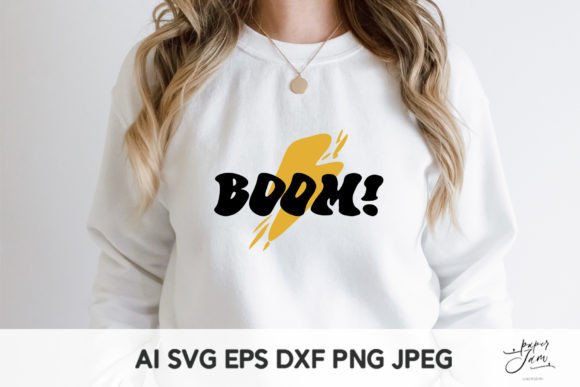
90s SVG Boom Svg for Shirts: A Designer Review
As a designer who has spent years navigating the intersection of digital graphics and physical stitching, I approach every new file with a critical eye. The market is flooded with trendy assets, but few translate well from a screen to a needle-pierced fabric. Recently, I evaluated the 90s SVG Boom Svg for Shirts, a design that promises a groovy retro vibe suitable for Silhouette, Cricut, and other cutting machines. While the product description highlights its utility for printing and cutting, my focus here is strictly on its potential as a machine embroidery design and how it performs in real-world craft business scenarios.
First Impressions: Capturing the Retro Mood
The first thing that strikes you about the 90s SVG Boom Svg for Shirts is its bold personality. It leans heavily into the aesthetic of the 1990s, utilizing shapes and layouts that scream "groovy retro." For an embroidery project, this is a double-edged sword. On one hand, the era is undeniably popular among Gen Z and Millennials, making it a hot commodity for custom apparel. On the other hand, the specific lines and curves in this graphic need careful consideration when converting them into stitch data.
Visually, the design feels energetic and fun, perfectly suited for a funny shirt svg concept or a trendy womens shirt svg. However, when I mentally map this out onto a hoop, I immediately start thinking about stitch density and underlay. The layout suggests areas that would benefit from a dense fill stitch to capture the retro texture, while the outlines might require a crisp satin stitch to maintain definition. If you are planning to use this as a digital product asset for your own shop, the visual clarity is high, but the execution will depend entirely on your digitizing skills.
Real-World Application: From File to Finished Product
To truly understand the value of this Graphics asset, let's imagine a practical scenario. Suppose you run a small Etsy shop specializing in personalized gifts and boutique branding. You decide to create a line of embroidered tote bags featuring the 90s SVG Boom Svg for Shirts. The goal is to produce a handmade product that feels nostalgic yet modern.
In this context, the design shines on medium-weight cotton canvas. The bold lines of the "Boom" text and accompanying retro elements hold up well against the fabric texture. When stitched with high-quality thread colors that contrast sharply against the bag material, the result is a professional-looking item that commands attention at a craft fair. Customers looking for unique holiday embroidery or custom apparel often gravitate toward designs with this level of character. The finished product feels substantial, not cheap, which directly impacts customer trust and buyer engagement.
However, if we shift the application to a baby embroidery project, such as a onesie or a nursery pillow cover, we must be cautious. The retro theme might be too aggressive for some parents, and the scale of the design could overwhelm a small garment. Similarly, for sweatshirt embroidery, the design works beautifully on the chest or back, provided the stabilizer is robust enough to handle the stretch of the knit fabric. This is where the transition from a simple SVG file to a functional machine embroidery design becomes critical.
Navigating Technical Challenges and Fabric Constraints
While the 90s SVG Boom Svg for Shirts is visually appealing, it is not without its technical pitfalls. As experienced designers know, not every graphic translates seamlessly into an embroidery file. There are specific situations where this design requires extra care:
- Small Hoop Sizes: If you attempt to downsize this design for a cap or a small patch, the intricate details may become muddy. Tiny lettering within the retro motif can get lost in the thread pile, ruining the legibility of the "Boom" text.
- Textured and Stretchy Fabrics: Using this design on thin fabric or highly stretchy materials like jersey knits without proper backing can lead to puckering. The density required for the retro look might pull the fabric, distorting the shape.
- Dark Fabrics: While the design looks great on white, using it on dark fabric requires a solid underlay and potentially more thread colors to achieve the same pop. Without this, the design might appear flat or faded.
- Detailed Corners: Sharp angles in the 90s style graphics can sometimes cause thread breakage if the stitch direction changes too abruptly. Testing these corners on scrap fabric is non-negotiable.
Furthermore, products that need frequent washing, such as kitchen towels or aprons, demand a review of the stitch density. Overly dense areas might crack over time, while sparse areas might fray. Before committing to a batch of commercial embroidery projects, always test the design on a swatch of the actual fabric you intend to use.
Strategic Advice for Craft Business Owners
If you are an Etsy seller or a creative entrepreneur looking to integrate the 90s SVG Boom Svg for Shirts into your inventory, consider these practical notes to ensure success:
- Test on Scrap Fabric First: Never skip the test run. Check the thread color contrast and review the stitch density before stitching on your final product.
- Verify Licensing: Ensure you have the right to sell finished items made with this design. Whether it is for personal use or commercial embroidery, understanding the license terms is vital for protecting your business.
- Mockup Your Designs: Use printable mockups to visualize how the design looks on different backgrounds. Compare light and dark fabric options to see where the design offers the most value.
- Choose the Right Stabilizer: The foundation of any good embroidery is the stabilizer. For a design with this much character, do not skimp on quality backing.
- Consider Applique Options: Depending on the complexity, you might explore whether parts of this design work better as an applique design rather than pure stitch work, adding depth and dimension to your handmade product.
Final Verdict on Visual Appeal and Value
The 90s SVG Boom Svg for Shirts is a strong contender for those looking to add a touch of nostalgia to their craft business. Its visual appeal is undeniable, and when executed correctly, it significantly boosts the perceived value of a finished product. It fits naturally into categories like custom apparel, embroidered patches, and even holiday gifts for friends who love retro aesthetics.
However, its success relies heavily on the skill of the embroiderer. It is not a "set it and forget it" file. You must treat it as a dynamic element that requires adjustment based on the fabric, hoop size, and intended use. By respecting the limitations of the medium and applying sound design judgment, you can turn this digital asset into a standout piece in your collection. Whether you are creating a single personalized gift or stocking a boutique with trendy womens shirt svg designs, the key lies in balancing the retro charm with technical precision.
For designers ready to take on the challenge, this file offers a fun, engaging path to creating memorable handmade items. Just remember: the best embroidery happens when the digital vision meets the reality of thread and tension. Test thoroughly, choose your fabrics wisely, and let the 90s vibe shine through your needlework.