Funny Mom Svg Design: Nap Time is My Happy Hour Review
As a designer who has spent years navigating the intersection of digital graphics and physical stitching, I approach every new asset with a critical eye. The market is flooded with Graphics that look great on a screen but fall apart under the needle. When I first loaded the Funny Mom Svg Design, Nap Time is My Happy Hour file into my workspace, I wasn't just looking for a cute phrase; I was evaluating its potential as a viable machine embroidery design for real-world application. This specific phrase captures a universal sentiment for parents, making it a prime candidate for high-volume sales in the Crafts category, provided the execution holds up.
First Impressions: Visual Weight and Layout
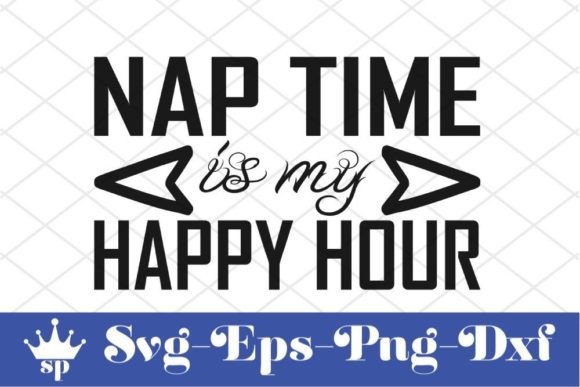
The immediate appeal of this design lies in its straightforward typography and relatable humor. Unlike overly complex illustrations that require intricate satin stitch borders or dense fill stitch areas, this design relies on clean lines and legible text. In my initial review, the layout feels balanced, avoiding the common pitfall where the "Happy Hour" portion gets lost against the "Nap Time" section. For an embroidery project, simplicity often translates to better durability and faster production times.
However, the true test comes when we move from the digital preview to the physical hoop. The font choice appears to have sufficient thickness to prevent gaps in the stitching, which is crucial for maintaining clarity on textured fabrics. If you are planning to use this as a tote bag design or for custom apparel, the visual weight seems appropriate to stand out without overwhelming the garment. It strikes that sweet spot between a decorative accent and a statement piece.
Real-World Application: From Screen to Stitch
Let's talk about a practical scenario. Imagine you are running a small boutique shop and need to create a line of personalized gifts for Mother's Day. You decide to produce a batch of organic cotton aprons and heavyweight sweatshirts featuring the Funny Mom Svg Design, Nap Time is My Happy Hour. Here is how the process unfolds in a professional setting.
For the sweatshirt embroidery, the design performs admirably. The bold lettering allows for a standard stitch density that sits well on the fleece or cotton blend without puckering. Because the design is primarily text-based, you can easily adjust the thread colors to match seasonal trends—perhaps a soft sage green for spring or a warm terracotta for autumn. The finished product looks professional, offering a high perceived value that justifies a premium price point for your customers.
If you pivot to creating an embroidered patch, the design's clean edges make it ideal for satin-stitched borders. Patches are a staple for Etsy sellers and craft fair vendors because they are versatile; they can be sold as standalone items or applied to denim jackets, backpacks, and hats. The humor inherent in the phrase ensures strong buyer engagement, turning a simple accessory into a conversation starter. This is exactly the kind of design asset that builds brand recognition for a handmade business.
Navigating Challenges: Fabric and Hoop Considerations
While the design is robust, it is not immune to the challenges of embroidery. As an experienced maker, I always advise caution when applying text-heavy designs to certain substrates. If you plan to use this on stretchy fabric like jersey knit, you must be diligent with your stabilizer choice. Without adequate backing, the tension from the running stitch outlining the letters could cause the fabric to distort, ruining the readability of the message.
Furthermore, consider the hoop size. While the design might fit within a 5x7 inch hoop, pushing the limits can lead to registration issues, especially if the design includes any decorative elements around the text. Always check the actual dimensions before committing to a large run. For smaller applications, such as a cap or a baby onesie, you may need to resize the design. Be wary of reducing the scale too much; tiny lettering can become illegible once stitched, and the stitch density might become too tight for the fabric to handle, leading to breakage.
Dark fabrics present another consideration. To ensure the text pops on black or navy garments, you will likely need a layer of underlay or a cut-away stabilizer to prevent show-through. Testing the design in black and white mockups beforehand can help you visualize contrast issues before you waste thread and time. This step is non-negotiable for maintaining customer trust and ensuring a polished presentation.
Technical Workflow and File Management
One of the strengths of this product is the variety of formats included in the download. The ZIP file contains EPS, SVG, PNG, and DXF files. For the serious embroiderer, the ability to import these into various software platforms is essential. The SVG format is particularly useful for cutting machines if you are combining applique techniques with embroidery, though this specific design seems optimized for direct stitching.
Before launching into production, I recommend a rigorous testing protocol. First, load the digital embroidery file into your machine software and inspect the digitizing. Look for unnecessary jumps or excessive trims that could slow down production. Second, stitch a sample on scrap fabric that mimics your final material. This allows you to fine-tune the thread colors and verify that the fill stitch covers evenly without holes.
Also, do not overlook the licensing terms. If you intend to sell the finished goods, such as holiday embroidery items or commercial embroidery products, ensure your license permits commercial use. Many designers purchase files only to discover later they cannot sell the resulting merchandise. Clarifying this upfront protects your craft business from legal complications.
Final Verdict: A Solid Asset for Makers
The Funny Mom Svg Design, Nap Time is My Happy Hour is more than just a graphic; it is a functional tool for creators who understand the nuances of textile decoration. Its versatility makes it suitable for everything from baby embroidery projects to adult apparel decorators looking to expand their catalog. The design respects the limitations of the medium while maximizing visual impact.
For the small shop owner or the hobbyist transitioning to a professional level, this design offers a reliable foundation. It encourages creativity in color selection and product placement without demanding complex digitizing skills. By following best practices regarding stabilizers, hoop sizes, and fabric compatibility, you can transform this simple phrase into a high-quality handmade product that resonates with buyers. In a crowded marketplace, designs that balance humor with technical excellence are the ones that drive sales and build lasting customer relationships.