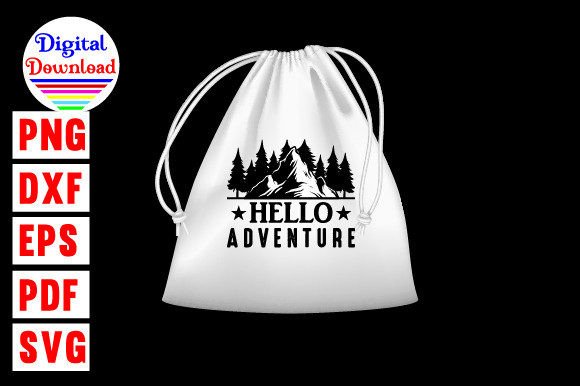
Hello Adventure Svg Design: A Real-World Review
As a designer who has spent years translating digital graphics into tangible stitched products, I approach every new Hello Adventure Svg Design with a critical eye. The market is flooded with generic vectors that look great on a screen but fall apart under the needle. When evaluating this specific asset for my craft business and client projects, I am not just looking at the aesthetic; I am visualizing the stitch count, the thread tension, and the final durability of the finished product.
The First Impression: Mood and Visual Weight
At first glance, the Hello Adventure Svg Design exudes a playful, exploratory spirit that resonates deeply with outdoor enthusiasts and pet lovers. The typography is bold yet friendly, suggesting a design that works well as a statement piece rather than a subtle accent. In the realm of Graphics, clarity is king. This design maintains clean lines and distinct shapes, which is crucial when converting an SVG file into a machine embroidery design. Unlike overly intricate illustrations that can lead to puckering or registration issues, this layout feels balanced. It suggests a project where the text carries the weight of the message, supported by simple, strong graphical elements.
For a small shop owner or an Etsy seller, this kind of visual personality is vital. It immediately communicates a brand identity that is fun, active, and welcoming. Whether you are planning a line of custom apparel or creating a batch of personalized gifts, the design's inherent energy makes it a versatile asset. However, the true test lies in how it translates from a digital download to a physical object.
Real-Life Application: From Screen to Sweatshirt
Let’s imagine a practical scenario: You are preparing a custom embroidered tote bag for a local dog park fundraiser. The fabric is a sturdy canvas, and the goal is a durable, high-visibility item. Using the Hello Adventure Svg Design here feels like a natural fit. The bold lettering ensures readability even from a distance, and the open spaces within the letters allow for a dense fill stitch without overwhelming the fabric structure.
In contrast, consider placing this same design on a baby onesie. Here, the scale becomes critical. If the design is too large, it might restrict movement or feel heavy against delicate skin. For baby embroidery, you would likely need to resize the embroidery file significantly. This is where the simplicity of the Hello Adventure concept shines; because it lacks tiny, fragile details, it scales down relatively well without losing its core identity. However, you must always verify that the smallest text remains legible after scaling. A design that looks crisp at 5 inches can become a muddy mess at 1.5 inches if the stitch density isn't adjusted properly.
Another common use case is the embroidered patch. Creating patches allows you to sell a standalone product that customers can attach to jackets, hats, or bags. The Hello Adventure Svg Design has the structural integrity to work as a patch, provided the edges are defined clearly enough for a satin stitch border. This adds a professional finish that elevates the perceived value of your handmade product.
Navigating Fabric Challenges and Technical Constraints
While the design is robust, there are specific situations where caution is required. Textured fabrics, such as heavy fleece or boucle, can interfere with the precision of the stitching. On these surfaces, fine details in the Hello Adventure Svg Design might get lost in the weave. Similarly, working with stretchy fabrics like jersey requires a significant amount of stabilizer to prevent the design from distorting as the fabric stretches during wear.
Dark fabrics present another challenge. If you plan to use this design on a black sweatshirt, you cannot simply stitch white thread over the dark background. You will need to incorporate a backing layer, either through applique techniques or a dense underlay of light-colored thread. Without this preparation, the thread colors may appear dull, and the design will lack the pop necessary to catch a customer's eye. Always test your color combinations on a scrap piece of the actual fabric before committing to a full run.
Furthermore, curved surfaces like caps demand special attention. The bottom curve of a baseball cap can cause straight lines in the text to warp if the hoop size and digitization aren't perfect. Before attempting a cap embroidery project, check whether the design files include a specific version optimized for curved surfaces. If not, you may need to adjust the placement or reduce the width of the design to accommodate the curvature.
Maximizing Value for Your Craft Business
For creative entrepreneurs, the Hello Adventure Svg Design offers more than just a pretty picture; it offers a pathway to consistent branding. When used across multiple product types—such as kitchen towels, pillow covers, and holiday ornaments—it creates a cohesive collection that strengthens your shop's identity. Customers recognize the style and associate it with quality, which builds trust and encourages repeat purchases.
However, professionalism hinges on execution. A poorly executed embroidery job can ruin a great design. Ensure you are using the correct hoop size to keep the fabric taut. Loose fabric leads to uneven stitches and potential breakage. Additionally, review the stitch density settings in your software. Too much density can make the design stiff and prone to cracking, while too little can result in gaps that show the fabric underneath.
Practical Designer Notes for Success
Before integrating this design into your workflow, follow these essential steps:
- Test on Scrap Fabric: Never skip the test run. Stitch the design on a piece of the exact fabric you intend to use to check for puckering, registration, and thread tension.
- Check Licensing: Confirm whether the Hello Adventure Svg Design license allows for commercial use. Some digital downloads are strictly for personal use, and selling items made from them without permission can lead to legal issues.
- Verify File Formats: While the product description mentions SVG, PNG, EPS, DXF, and PDF files, ensure you have the correct format for your specific machine. Embroidery machines typically require specific file extensions (like .PES, .DST, or .EXP), so you may need to convert the vector files or purchase a dedicated digital embroidery file.
- Inspect Small Details: Zoom in on the design to ensure no tiny elements will disappear when stitched. Simplify complex areas if necessary to maintain clarity.
- Use Proper Stabilizer: Select a stabilizer appropriate for your fabric type. Tear-away works for stable fabrics, while cut-away is better for knits and stretchy materials.
- Create Mockups: Use printable mockups to visualize how the design looks on different products before investing in materials. This helps in planning your inventory and marketing strategy.
Ultimately, the Hello Adventure Svg Design is a solid addition to any designer's toolkit, provided it is treated with the technical respect it deserves. By understanding its strengths and limitations, you can create high-quality, professional-looking items that stand out in a crowded marketplace. Whether you are crafting a unique holiday gift or stocking your boutique shelves, this design has the potential to bring a sense of joy and adventure to your finished products.