Optimist Pessimist Engineer: A Real-World Embroidery Review
As a designer who has spent years translating digital files into tangible thread on fabric, I approach every new machine embroidery design with a mix of curiosity and skepticism. The market is flooded with generic clip art that looks great on a screen but falls apart under the needle. When I first opened the file for Optimist Pessimist Engineer, Funny, I wasn't just looking for a cute graphic; I was evaluating whether this Graphics asset could survive the rigors of a real embroidery project and deliver value to my clients.
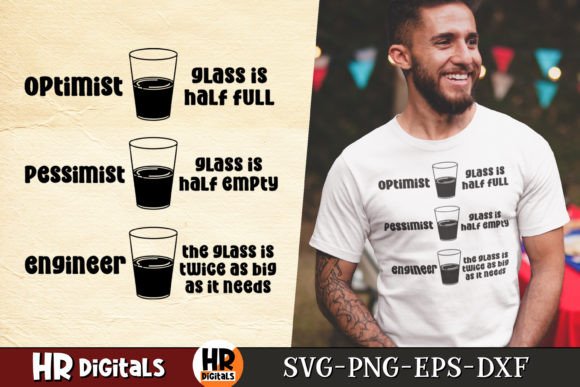
The concept itself is timeless in the engineering community. The joke about how an optimist sees a glass half full, a pessimist sees it half empty, and an engineer sees a glass twice as big as needed is a staple of technical humor. For an Etsy seller or a small shop owner targeting engineers, this theme offers immediate recognition. However, the true test lies not in the joke, but in how the design translates from vector lines to physical stitches. My initial impression of the layout is promising; it balances text and iconography without feeling cluttered, which is crucial for maintaining readability after stitching.
Visual Impact and Design Personality
When viewing the digital embroidery file on a large monitor, the visual personality of Optimist Pessimist Engineer, Funny feels confident and witty. The shapes are clean, avoiding the jagged edges that often plague lower-quality downloads. In the world of Crafts, where detail can easily get lost in the texture of fabric, clarity is king. This design manages to keep the distinct sections of the "optimist," "pessimist," and "engineer" clearly defined.
For a handmade product like a custom tote bag or a kitchen towel, this level of definition is essential. If you imagine this stitched onto a heavy canvas apron for a home brewer who happens to be a civil engineer, the bold lines ensure the message lands even from a distance. The layout suggests a natural flow for the needle, minimizing unnecessary jumps that can cause puckering or thread breakage. It feels like a design that respects the limitations of the medium while maximizing the comedic potential.
Performance in Real-Life Scenarios
To truly understand the utility of this design, I mentally walked through several production scenarios. Let's say I am preparing a batch of custom apparel for a university engineering department graduation party. I need to stitch these onto sweatshirts. Optimist Pessimist Engineer, Funny performs well here because the text elements appear robust enough to handle the stretch of a knit fabric without distorting the legibility.
Consider the application on a sweatshirt embroidery project. The density of the fill stitch needs to be high enough to cover the dark cotton fleece but not so dense that it stiffens the fabric uncomfortably. Based on the visual weight of the graphics, I anticipate this design will require a moderate amount of stitch density. It is not a delicate piece meant for sheer fabrics; rather, it shines on structured items like embroidered patches, denim jackets, or sturdy pillow covers.
Another strong use case is the tote bag design. Engineers often carry laptops and tools, making a durable canvas bag a practical gift. Stitching this design on the front pocket or the main panel creates a conversation starter. The humor adds a layer of personality that transforms a generic bag into a personalized gift that resonates deeply with the recipient. For a craft business, this kind of niche appeal is vital for standing out in a crowded marketplace.
Navigating Fabric Challenges and Limitations
While the design is versatile, a professional knows that no embroidery file is perfect for every surface. There are specific situations where Optimist Pessimist Engineer, Funny requires careful handling. First, avoid using this on very thin or highly textured fabrics unless you use a heavy-duty stabilizer. The text portions, if too fine, could get lost in the weave of a rough linen or a waffle-knit blanket.
Curved surfaces present another challenge. If you plan to put this on a baseball cap, the curvature might distort the straight lines of the text. You would need to ensure your machine's walking foot is properly adjusted and that the hoop size matches the curve perfectly. Similarly, on dark fabrics, the contrast of the thread colors becomes critical. A light-colored thread on a black hoodie will make the design pop, but you must check the fill stitch coverage to prevent the dark background from showing through the gaps.
I also advise caution with small hoop sizes. If you attempt to shrink this design significantly to fit a tiny baby item or a keychain patch, the lettering may become illegible. The intricate parts of the engineering symbols could merge together, losing their meaning. Always scale the design to a size where the smallest element remains at least 3mm wide to ensure crisp results.
Strategic Advice for Commercial Success
For those running a commercial embroidery operation or selling on platforms like Etsy, the presentation of the finished product is as important as the stitching itself. Optimist Pessimist Engineer, Funny has the potential to boost buyer engagement because it targets a specific demographic with a shared sense of humor. However, trust is built on quality.
Before committing to a full run of products, always test the design on scrap fabric first. Check the tension, verify that the running stitch outlines are secure, and ensure the satin stitch areas (if used for borders) are smooth and free of gaps. Create a printable mockup to show customers exactly how the design will look on different backgrounds. Showing a side-by-side comparison of the design on a light t-shirt versus a dark apron can help manage customer expectations and reduce returns.
Furthermore, verify the licensing terms before selling any finished product. While many designs allow for personal use, commercial rights often require a separate license. As a responsible creative entrepreneur, ensuring you have the right to sell items made with this design asset protects your business reputation and legal standing.
Final Verdict on Project Viability
In conclusion, Optimist Pessimist Engineer, Funny is a solid addition to any digital product library for those specializing in tech-themed gifts. It strikes the right balance between humor and technical execution. Whether you are creating a holiday embroidery set for family members or stocking up inventory for a small shop product line, this design offers reliability and charm.
It is not just a picture; it is a tool for connection. When stitched correctly with proper attention to fabric texture and stabilizer choice, it elevates a simple garment into a statement piece. For the hobbyist looking to impress friends or the professional decorator seeking efficient, high-impact assets, this design delivers. Just remember to respect the scaling limits and test thoroughly, and you will find that the result is worth the effort.