Road Trip Nutritional Facts: A Designer Review
As a designer who has spent years turning digital graphics into tangible stitched goods, I approach every new file with a mix of excitement and skepticism. The market is flooded with trendy designs, but not all of them translate well from the screen to the fabric. When I first opened the Road Trip Nutritional Facts design, my immediate reaction was positive. It captures that specific, relatable humor perfect for girls' weekends, best friend groups, and spontaneous vacations. However, before I commit this to a commercial embroidery project or a personalized gift for a client, I need to evaluate how it performs in the real world of machine stitching.
The Visual Personality and Mood
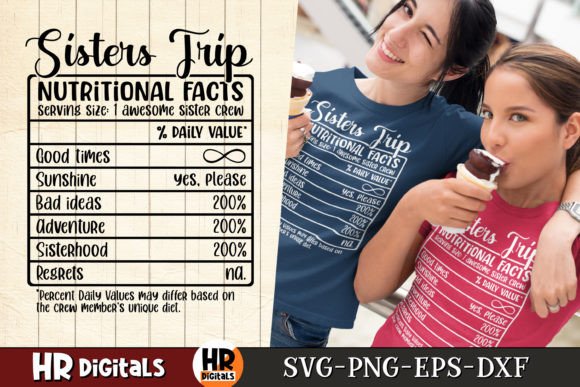
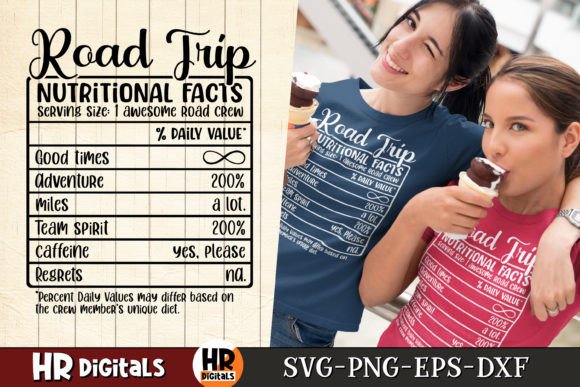
The concept behind Road Trip Nutritional Facts is clever. It mimics the familiar layout of a food label but swaps ingredients for road trip essentials like "snacks," "laughing," and "traffic jams." Visually, the layout is structured, which is excellent for embroidery because it provides clear boundaries for satin and fill stitches. The typography appears bold enough to be legible even when scaled down slightly, which is a common pitfall with text-heavy designs.
For an Etsy seller or a small shop owner looking to expand their summer collection, this design offers a distinct mood. It feels playful yet organized. Unlike chaotic, free-form art that can get lost in dense stitching, the tabular structure of the nutritional facts gives the embroidery machine clear instructions on where to place stitches. This makes it a strong candidate for custom apparel, particularly sweatshirts or tote bags where the design needs to stand out against a textured background.
Real-World Application: The Tote Bag Scenario
To truly understand the potential of this machine embroidery design, let's imagine a practical scenario. I am preparing a batch of canvas tote bags for a local craft fair. My goal is to create a fun, durable accessory for a group of friends heading on a girls' vacation. I load the Road Trip Nutritional Facts file into my digitizing software to visualize the stitch paths.
On a sturdy cotton canvas, the design shines. The heavier weight of the fabric supports the density of the text without puckering. I plan to use a high-quality stabilizer to ensure the back of the embroidery remains clean. The contrast between the white thread and a dark green or navy blue bag would make the "Nutritional Facts" pop, ensuring the joke lands immediately. This is exactly the kind of finished product that encourages customer engagement; people love wearing inside jokes, and this design serves as a conversation starter at gas stations and coffee shops alike.
If I were adapting this for a sweatshirt embroidery project, I would need to be more careful. Fleece and French terry have a nap that can obscure fine details. In this case, I would increase the stitch density slightly to ensure the smaller text within the "facts" section remains crisp. For a personalized gift, perhaps a pillow cover for a road trip enthusiast, the flat surface allows for maximum detail retention, making the design look professional and polished.
Navigating Technical Challenges
While the design is robust, no embroidery file is immune to technical challenges if used incorrectly. As a reviewer, I must highlight where Road Trip Nutritional Facts requires caution. First, consider the hoop size. Because the design includes a list of items and potentially a logo or icon, it may require a larger hoop than a simple monogram. If you attempt to force this into a 4x4 hoop without resizing, you risk distorting the aspect ratio, making the text unreadable.
Another critical area is fabric texture. On thin fabrics like silk or lightweight linen, the density required to render the text clearly could cause significant puckering. Here, using a tear-away or cut-away stabilizer becomes non-negotiable. Similarly, on stretchy fabrics like jersey knit, the tension of the fill stitch might pull the garment out of shape. I always recommend testing the design on a scrap piece of the actual fabric first. This step is crucial for maintaining the integrity of your handmade product and ensuring customer satisfaction.
Dark fabrics present another consideration. While the design looks great in black and white mockups, the reality of stitching light thread on dark fabric often requires underlay stitches to prevent the background color from showing through. If you are creating holiday embroidery gifts on dark red or green sweaters, pay close attention to your thread colors and underlay settings. Without proper setup, the intricate details of the nutritional facts could appear muddy or incomplete.
Commercial Viability and Brand Consistency
For the creative entrepreneur or Etsy seller, the value of Road Trip Nutritional Facts extends beyond a single project. It fits perfectly into a cohesive brand identity focused on travel, friendship, and humor. Including this design in a line of custom apparel can differentiate your shop from competitors selling generic quotes. The specificity of the theme appeals to a targeted audience—women planning trips, bachelorette parties, or family vacations.
However, professionalism matters. Before listing these items for sale, ensure the stitching is flawless. Customers buying small shop products expect high quality. If the text is misaligned or the satin stitch is too loose, it reflects poorly on your brand. Always inspect the digital embroidery file preview for any overlapping lines that could cause thread breaks during production. Additionally, verify the licensing terms. Just because you purchased the SVG or embroidery file does not automatically grant you the right to sell unlimited finished goods. Confirm whether the license covers commercial use for commercial embroidery projects or if there are restrictions on the number of items you can produce.
Practical Designer Notes for Success
To get the most out of Road Trip Nutritional Facts, follow these practical steps:
- Test on Scrap Fabric: Never skip the test run. Stitch the design on the exact material you intend to use to check for puckering and alignment.
- Check Thread Contrast: Ensure the text color contrasts sharply with the fabric. Light gray text on a beige shirt will disappear once stitched.
- Review Stitch Density: If the design looks too heavy, reduce the density in your software to allow the fabric to breathe, especially on t-shirt embroidery.
- Inspect Small Details: Zoom in on the smallest font sizes. If they are too tiny for your machine's needle, resize the entire design up rather than risking broken threads.
- Use Proper Stabilizer: Whether it is a patch or a full garment, the right stabilizer is the backbone of a clean finish.
- Mockup Verification: Create printable mockups to show clients how the final product will look before you start stitching.
Final Verdict
The Road Trip Nutritional Facts design is a versatile asset for anyone in the Crafts and Graphics space. It balances humor with a structured layout that translates well to embroidery. While it requires attention to detail regarding fabric choice and stabilizer use, the end result is a high-quality, engaging piece that resonates with customers. Whether you are making a one-off personalized gift for a best friend or producing a line of boutique branding merchandise, this design has the potential to elevate your portfolio. By respecting the technical requirements of the machine and the fabric, you can turn this funny graphic into a professional, sellable reality.